Opportunities for Heritage II Forum
Concept Note
Background and Rationale

A Snapshot of the O4H Conference 2024
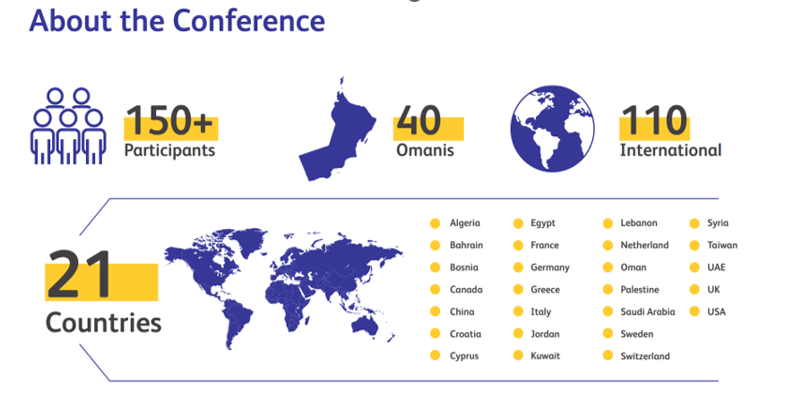
The first edition of the conference had a mixed approach of academic and policy orientation. The conference has attracted over 40 research papers addressing issues of conservation, innovation and sustainability from more that 21countries. The conference addressed pressing issues like heritage and conflict, heritage investment and finance, heritage and tourism, heritage innovation and digitalisation, amongst many topics of relevance and showcased successful initiatives in heritage innovation.
The UNESCO chair WH-STAR and the UNESCO Doha for the office decided to build on the momentum achieved by the debates and discussion last year to present a follow up forum inviting policy makers, international organisation and researchers to bring the discussion current. The forum aims to pursie the objective of exploring the opportunities that heritage offer for socio-economic development in the Arab Region and beyondthis edition will give special attention to issues of conservation, credibility and communication. These themes represent main pillars for the management of cultural and natural heritage.
The discussion of such topics, especially as it touches upon the creation of cultural tourism destination and the communication of heritage, the State of Qatar emerging as a regional leader in cultural diplomacy and represented by Qatar Museums are currently playing a leading role in taking heritage beyond conservation and being an exemplary model for heritage communication, and enhancing heritage role in delivering on the sustainable. The second edition of O4H is organised this round in collaboration with Qatar Museums.
The O4H II will bring together international organisations, policymakers, heritage professionals, urban planners, economists, and cultural stakeholders to develop actionable frameworks for integrating heritage conservation with sustainable development goals. Recognizing that heritage conservation is not just a cultural priority but also an economic and social imperative, the O4H II will serve as a platform to formulate and discuss practical strategies that address contemporary challenges in heritage management.
This conference will present the views of local, regional and international organizations to discuss the themes and engage in an enriching discussion with aim to identify best practices, challenges and opportunities about policies, regulatory framework, finance, international collaboration, interpretation amongst many other issues.
The conference will take the form of expert lead panel discussions in the first day and workshops directed to stakeholders on the second day.
Conference Objectives
O4H II seeks to convene heritage professionals, policymakers, scholars, financiers, and community actors to co-develop frameworks that strengthen the role of heritage in sustainable development, resilience, and identity formation in the Arab region and beyond. The conference aims to:
- Reframe conservation as a socially embedded dialogue that integrates local voices, historical continuity, and development imperatives.
- Reinvigorate traditional and contemporary financial instruments, including Islamic endowments and international philanthropy, as well as socially responsible investments, to secure the sustainability of heritage assets.
- Explore the complex terrain of privately held heritage, with a focus on regulatory, ethical, and participatory models of stewardship.
- Amplify underrepresented narratives through museums, media, and memory practices, particularly in conflict-affected and climate-threatened contexts.
- Generate actionable recommendations and institutional partnerships that bridge the gap between cultural values and operational systems.
Themes and Topics
O4H II aims to achieve the above objectives through discussing the following themes and topics. While plenaries, panels sessions, and workshops and labs would be the main delivery medium, additional and an interactive application.
Theme 1: Conservation as a Dialogue: Place, People, and Purpose
This theme reimagines conservation not as a static act of preservation, but as an ongoing dialogue among the physical fabric of heritage (place), the communities that live and engage with it (people), and the meanings and aspirations assigned to it (purpose). Drawing on the Historic Urban Landscape (HUL) approach, this theme explores participatory planning, community engagement, and cultural continuity in rapidly evolving urban contexts.
Subthemes (possible talking points for panelists or speakers):
- Historic Urban Landscape (HUL) as a framework for inclusive urban conservation
- Community participation and co-authorship in heritage master planning
- Conservation and Material: Traditional Architectural Perspective
- Case studies
Theme 2: Endowments, Philanthropy, and Financial Institutions: Vehicle for Sustainable Development
This theme explores how Islamic endowments (awqaf), philanthropic foundations, and international financial institutions can act as strategic enablers of sustainable heritage conservation. It will investigate financing models, incentive structures, and the role of development-oriented investments in safeguarding cultural heritage for future generations.
Subthemes (possible talking points for panelists or speakers)
- The contemporary role of Islamic endowments (awqaf) in heritage funding
- Innovative financial instruments: heritage bonds, PPPs, and impact investing
- International development banks and donor strategies for cultural sustainability
- Governance, transparency, and return-on-investment in heritage finance
Theme 3: Managing Heritage in Private Hands: Models and Case Studies
This theme examines the intersection between private ownership and public value in heritage conservation. It explores the legal, financial, and ethical dimensions of privately held heritage assets and addresses how regulatory frameworks and incentive structures can encourage conservation while respecting property rights.
Subthemes (possible talking points for panelists or speakers):
- Legal frameworks governing privately owned heritage assets
- Financial incentives and obligations for private heritage custodians
- Livability versus conservation: navigating residential use in historic districts
- Community partnerships and models of co-management with private actors
Theme 4: Communicating Heritage: Museums, Memory, and Tourism
This theme investigates how heritage is represented, interpreted, and transmitted—particularly in contexts of conflict, displacement, and environmental change. It highlights the role of museums, memory practices, and tourism in communicating communal narratives.
Subthemes (possible talking points for panelists or speakers):
- Museums as platforms for heritage communication and social engagement
- Cultural Tourism a catalyst for heritage communication
- Representing heritage in conflict zones and post-disaster environments
- Memory as heritage: symbolism, displacement, and intergenerational meaning
- Technology, Digitalization and AI in documenting and representing heritage
Sessions Modality
Each speaker will be expected to deliver a presentation of 10-12 minutes. This will be followed by an engaging panel discussion and Q&A.
Suggested Workshops
- Understanding the preparation process of nomination files for world heritage inscription.
- Heritage Impact Assessment: When, why and how to coduct?
- Heritage innovation and interpretation: income generation and visitors engagement
High Level Round Table Discussion
This exclusive high-level round table convenes regional and international leaders from heritage institutions, ministries of culture, financial bodies, Islamic endowment authorities, and award-granting organisations to reflect on the future of heritage management as a strategic anchor for social identity, cohesion, and long-term resilience.
The session will explore how funding mechanisms, Islamic endowments (awqāf), and recognition systems such as heritage awards can be restructured and revitalised to play a transformative role in heritage sustainability.
Target Audience and Invitees
The following is an indicative list and by no means should be considered exhaustive:
- International and regional organizations.
- Policymakers and government representatives.
- UNESCO representatives and heritage specialists.
- Economists and financial experts in cultural heritage funding.
- Academics and researchers in heritage studies and tourism.
- Museum professionals and private collectors.
- Non-governmental organizations and cultural foundations.
- Urban planners and architects specializing in heritage conservation.
Date and Venue
Date: 7-9 December 2025, 9 December 2025 field visit the World Heritage Site of Al Zubarah Fort (optional).
Venue: Museum of Islamic Art.
Organizers